Telehealth available across ColoradoServing Castle Rock, Douglas County & the Front Range
Telehealth available across Colorado
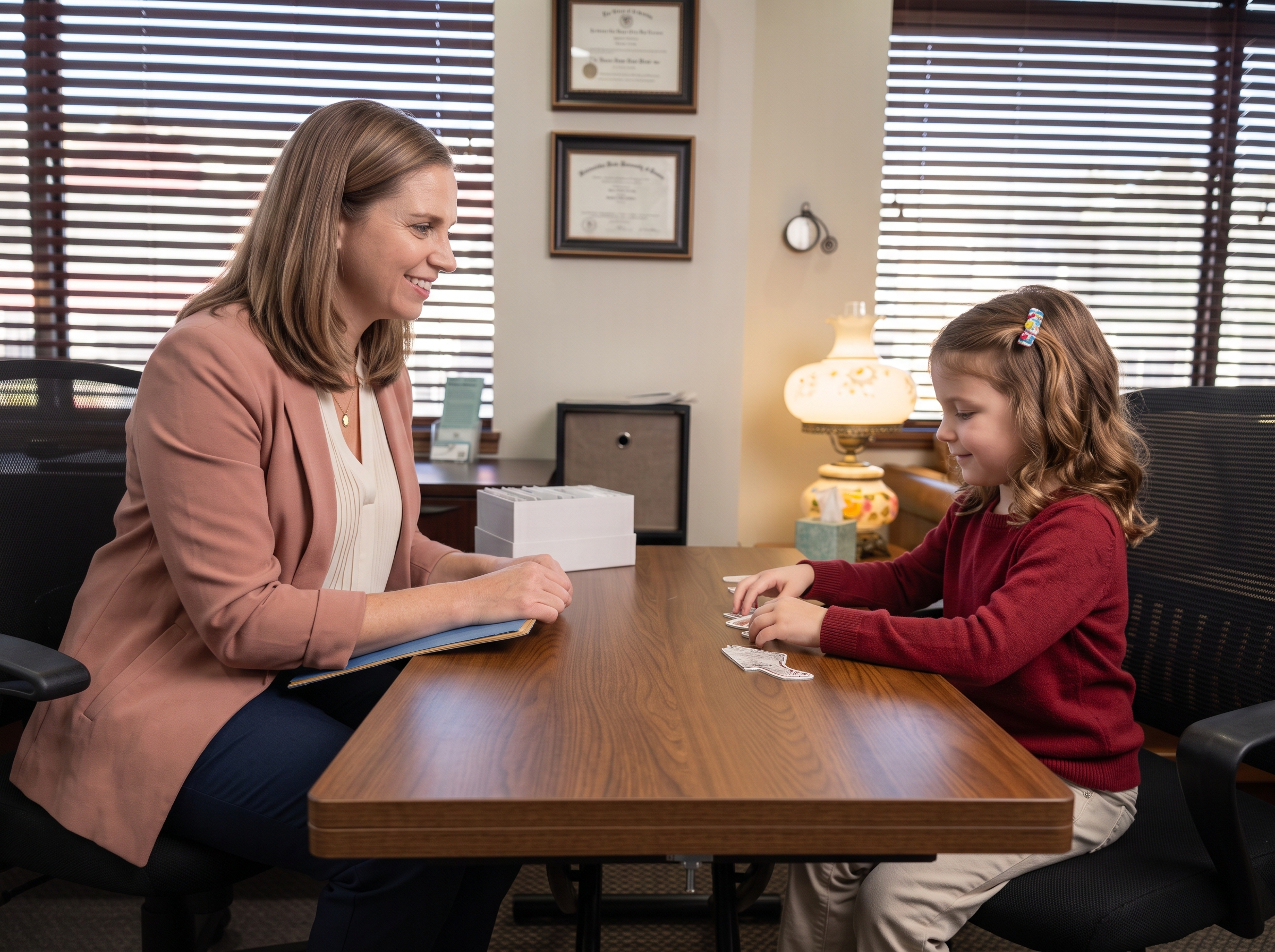
Dr. Nicole Wallace working with a young girl on a card task during a neuropsychological evaluation

Neuropsychological Evaluation

A comprehensive assessment of your child’s strengths and challenges, and the support that will help them thrive.

  • Attention, learning, memory, and executive skills
  • Feedback session and written report
  • School and IEP/504 recommendations
Explore evaluation →
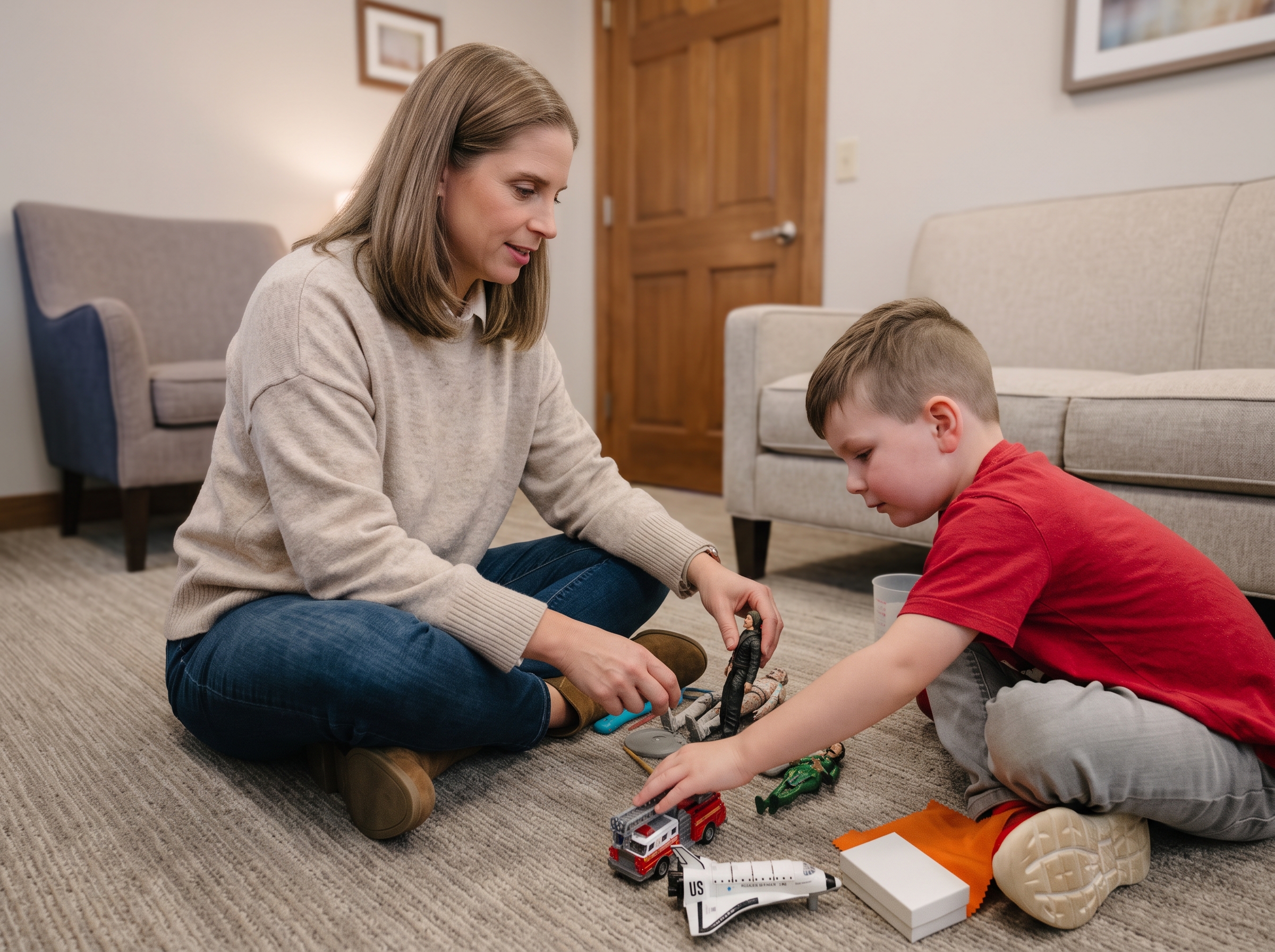
Dr. Nicole Wallace playing with toys on the floor with a young boy during a therapy session

Therapy

Evidence-based intervention tailored to your child’s developmental profile, in close partnership with parents and schools.

  • Emotion regulation and coping
  • Organization and executive skills
  • Parent guidance for home
Explore therapy →
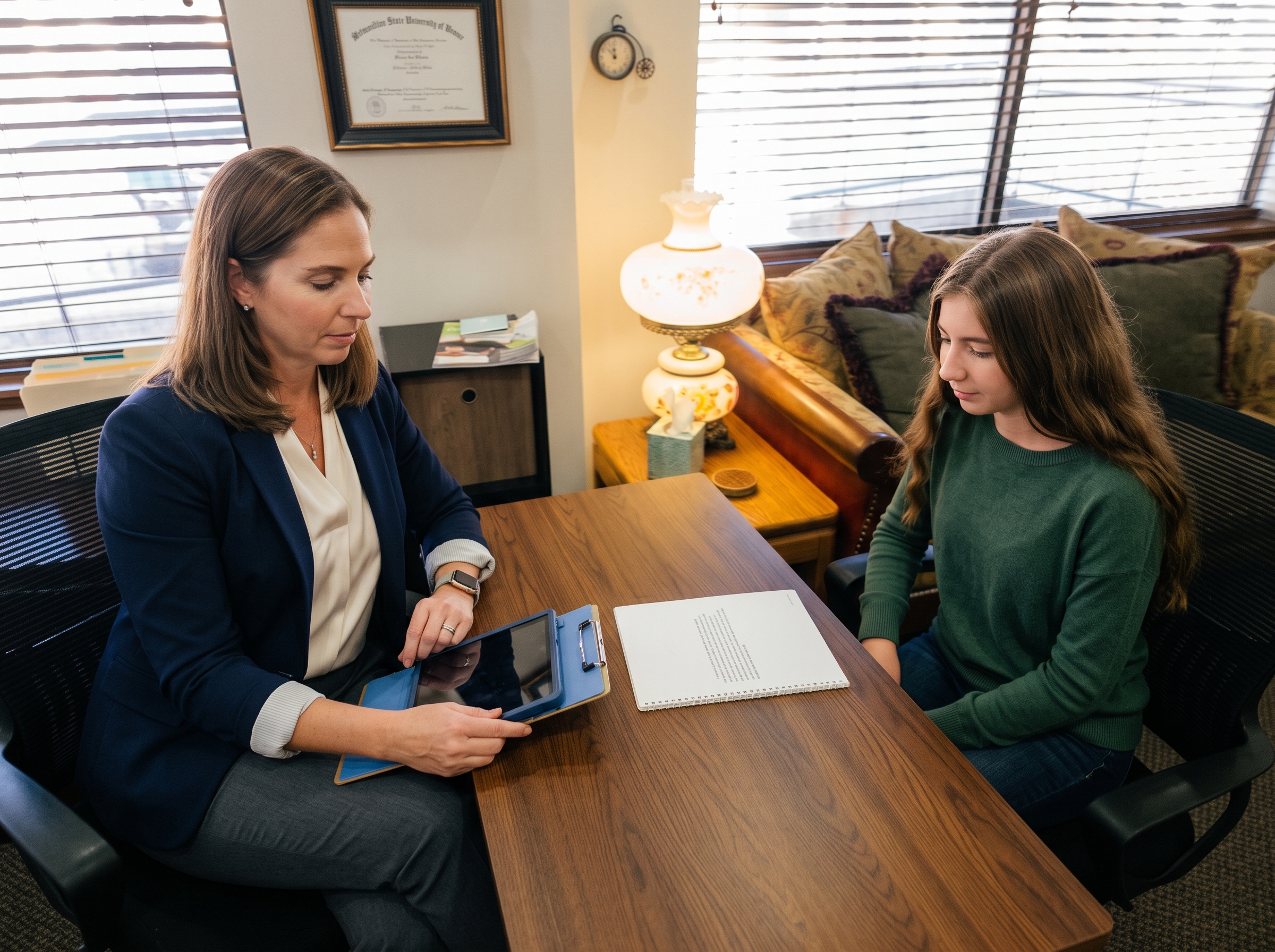
Dr. Nicole Wallace reviewing results with a teenager at a table in her office

Consultation

A review of history, records, and needs that leads to clear next steps at home, school, and in medical care.

  • Developmental interview
  • Review of records and prior testing
  • Written summary with recommendations
Explore consultation →
Dr. Nicole Wallace
Dr. Nicole WallacePh.D., ABPP

Not sure where to start?

A free 15-minute call helps you choose the right next step for your child.

Book a free call

Areas of specialty

Children whose needs don’t fit a simple label.

Whether your child has ADHD, autism, a learning disability, giftedness or twice exceptionality, a brain injury, or a medical condition affecting development, you’re in the right place. We help you understand the full picture and what comes next.

Neurodevelopmental

Differences in how the brain develops

Conditions that shape attention, learning, communication, and social connection from early childhood.

ADHDAttention, impulse control, and executive functioning.
Autism Spectrum DisorderSocial communication, sensory needs, and flexibility.
Learning DisabilitiesReading, writing, and math differences.

Gifted & twice-exceptional

Bright minds, complex profiles

Giftedness can hide a learning difference, and a learning difference can hide giftedness. We look at both, so high-ability children get challenge and support in the right measure.

GiftedAdvanced reasoning, intensity, and asynchronous development.
Twice Exceptional (2e)Gifted alongside ADHD, autism, a learning disability, or anxiety.
Masked strengths & challengesWhen ability and difficulty cancel each other out on paper.
Perfectionism & intensityBig feelings, high standards, and the stress that can follow.

Medical & neurological

When health affects development

Medical complications and injuries can change how a child thinks and learns. We look at those brain–behavior connections directly.

Traumatic Brain InjuryIncluding concussion and recovery planning.
PrematurityDevelopment following early birth.
Genetic / Medical ConditionsConditions that affect cognition or development.

Emotional & behavioral

Feelings that get in the way

Emotional health and brain development are closely linked, and support works best when both are understood.

AnxietyWorry, avoidance, and stress.
DepressionLow mood, withdrawal, and loss of interest.

Gifted & twice-exceptional

When a bright child is still struggling.

Gifted children don’t always look gifted on report cards. Some are bored, anxious, or exhausted by effort that should be easy. Others are twice exceptional: gifted and also living with ADHD, autism, a learning disability, or anxiety. Their strengths can hide their challenges, and their challenges can hide their strengths.

A neuropsychological evaluation maps the full profile, so your child gets the challenge they need and the support they deserve.

  • Asynchronous development
  • Masked strengths
  • Perfectionism
  • Enrichment + accommodations
Gifted boy absorbed in assembling an intricate gear model surrounded by books